Jan 1, 2026
울산 HD FC 아카데미
프로 유스팀 정규 훈련에 반응 훈련 프로그램을 도입해 운영 중입니다.

Minimalism is often misunderstood as the absence of design, but in reality, it requires a high level of intention and discipline. Minimal design focuses on removing distractions so that users can engage more deeply with content and functionality. Every element must earn its place.
By reducing visual noise, designers create space for clarity and focus. This allows users to process information more easily and understand the core message without cognitive overload. Simplicity becomes a tool for communication rather than an aesthetic trend.
Minimal design also encourages stronger decision-making. When fewer elements are present, hierarchy becomes clearer and interactions more purposeful. This clarity leads to experiences that feel calm, confident, and easy to navigate.

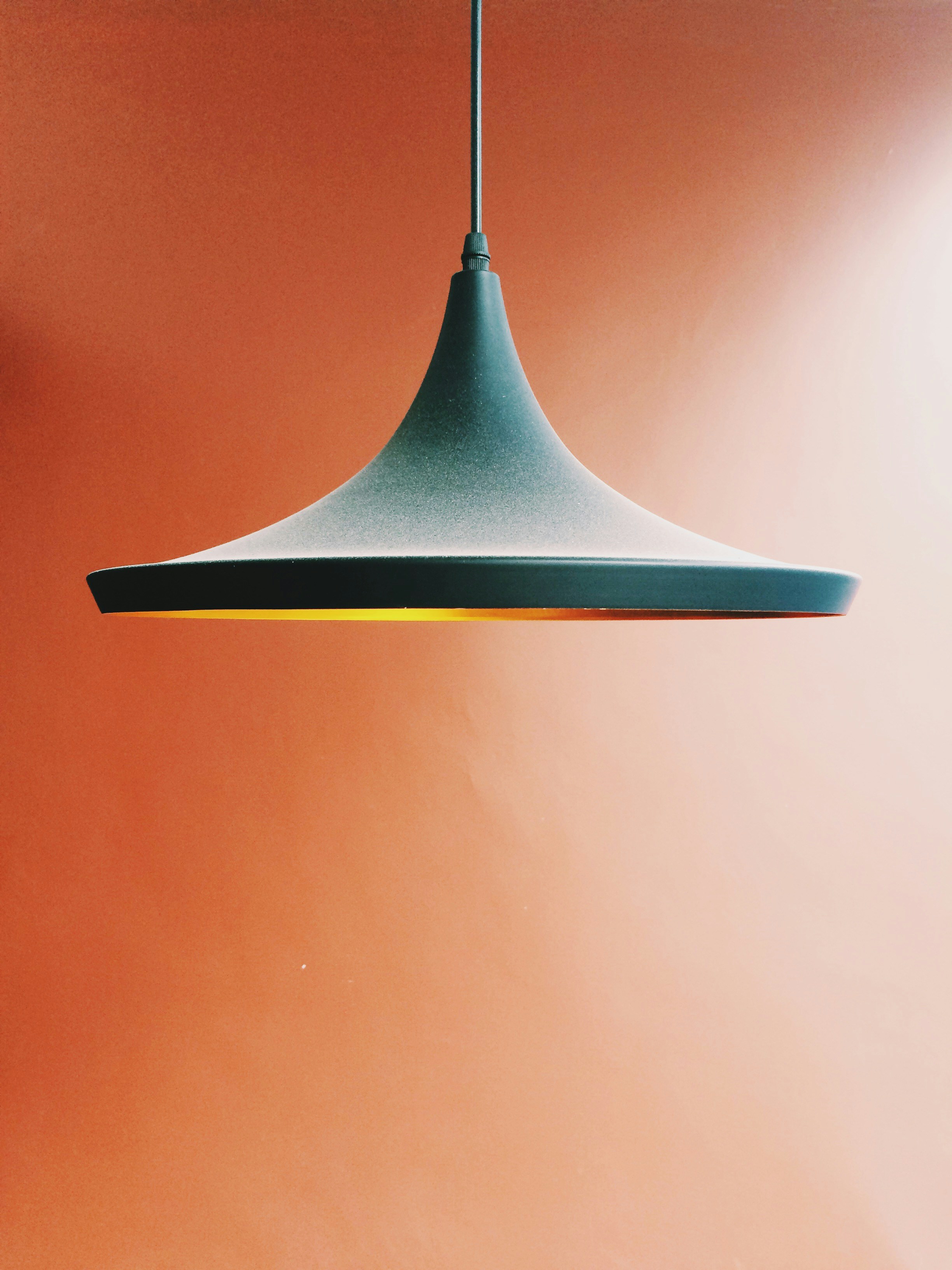
White space plays a critical role in guiding attention and creating balance. It gives content room to breathe and helps separate ideas visually. Rather than feeling empty, well-used space enhances readability and emphasizes what matters most.
Typography and rhythm further shape how users experience content. Thoughtful type choices and consistent spacing establish flow and structure, making content easier to scan and understand. These details often go unnoticed, yet they significantly impact usability.
When executed thoughtfully, minimal design feels timeless rather than trendy. It allows content and purpose to lead, resulting in digital experiences that are refined, modern, and built to endure.

